Sustainable Solutions: How E-Waste Recycling Services Are Saving Our Planet
E-waste represents a considerable hazard to the environment, as disposed electronics frequently harbor hazardous substances. Such dangerous compounds can pollute soil and water supplies, causing extensive damage to surrounding ecosystems. E-waste recycling initiatives provide a practical answer. They successfully retrieve useful resources while simultaneously minimizing environmental pollution. Understanding how these services operate and their impact on communities is essential. The path to successful electronic waste management prompts vital discussions about personal accountability and communal efforts. What steps can be taken next?
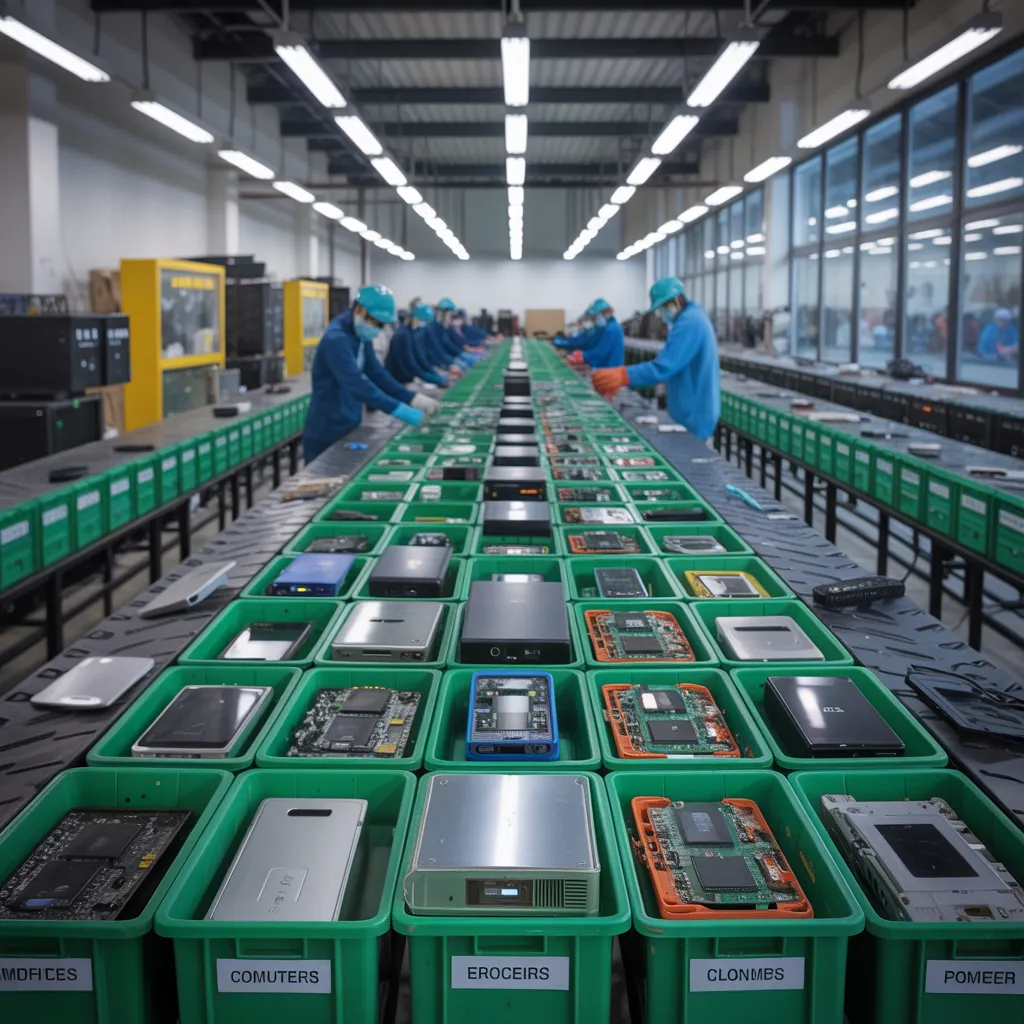
Why E-Waste Is Bad for the Planet
While technological advancements improve our daily lives, electronic waste presents considerable environmental hazards. Disposed electronic equipment, frequently composed of toxic substances including lead, mercury, and cadmium, can leach toxins into soil and groundwater, creating hazards for human health and ecosystems. The accelerating rate of technological innovation leads to higher rates of electronics disposal among consumers, intensifying the growing problem of discarded electronic materials.
Landfills, already burdened with waste, struggle to accommodate the growing volumes of discarded gadgets. Incineration, another disposal method, releases harmful pollutants into the atmosphere, contributing to air quality degradation. In addition, improper recycling practices can lead to the exportation of e-waste to developing countries, where laborers may dismantle devices without adequate safety measures, exposing themselves to dangerous substances. This pattern of negligence and mismanagement highlights the critical demand for eco-friendly recycling alternatives that can reduce the damaging impact of electronic waste on the environment.
What Is E-Waste and Why Is It Important?
E-waste, or electronic waste, encompasses obsolete electronic products like computers, smartphones, and televisions that have reached the end of their useful life. This rapidly expanding waste category is noteworthy owing to its accelerating volume, propelled by advances in technology and evolving consumer behaviors. With an increasing number of devices reaching obsolescence, the toll on the environment grows more severe, with toxic materials such as lead, mercury, and cadmium posing risks to ecosystems and human health.
Addressing e-waste is crucial not only for reducing these dangers but Learn more also for acknowledging the precious materials found within it. Valuable metals and rare earth materials can be extracted and repurposed, lessening the demand for mining and preserving natural resources. By understanding e-waste and its implications, individuals and organizations can make informed decisions about disposal and recycling, ultimately contributing to a more sustainable future. Proper management of e-waste is essential for fostering a circular economy and promoting environmental stewardship.
How E-Waste Recycling Works
The recycling of e-waste encompasses a systematic process intended to extract beneficial components while limiting ecological damage. At the outset, discarded electronics are retrieved and sent to dedicated processing centers. Upon arrival, the equipment is meticulously organized to distinguish harmful elements from reusable resources.
Following this, workers break down the electronics, recovering plastics, metals, and glass. This step is critical, as it facilitates the recovery of high-value metals like silver, gold, and copper, which are repurposed in new electronics.
Subsequently, the sorted materials are processed via sophisticated techniques, such as mechanical shredding and chemical processing, to purify them for recycling.
Finally, the leftover hazardous waste is handled with responsibility, following environmental guidelines. This systematic method not only preserves valuable resources but also mitigates the risks associated with unsafe e-waste handling, securing a more eco-conscious future for electronic consumption.
Why E-Waste Recycling Matters for You and Your Community
Though many people are unaware, the positive effects of e-waste recycling reach well past personal use to meaningfully influence entire communities. By properly recycling electronic waste, individuals contribute to a safer environment, reducing toxic components that can seep into soil and water. This responsible method works to protect local ecosystems and promotes public health.
Moreover, e-waste recycling promotes workforce growth within communities. Regional recycling centers frequently need staff for diverse activities, spanning collection through processing, consequently creating meaningful employment within the community. This not only stimulates the local economy but also encourages community engagement in sustainable practices.
Furthermore, familiarity with e-waste recycling has the potential to generate educational initiatives, enabling residents to pursue greener alternatives. By enrolling in e-waste recycling programs, individuals promote a culture of sustainability, motivating others to do the same. Overall, the cumulative impact of these actions can result in a more resilient and environmentally responsible community.
How to Choose an E-Waste Recycling Service
Choosing the most suitable e-waste recycling service is essential for making sure that electronic refuse is processed in a responsible and sustainable manner. First, individuals should confirm the provider's accreditations, such as e-Stewards or R2, which indicate adherence to industry standards for secure waste disposal procedures. It's also important to evaluate the company's credibility by checking reviews and obtaining advice from dependable sources.
Next, openness in the recycling process is crucial. A trustworthy service should provide clear information about the way e-waste is handled and what becomes of the materials. Additionally, assessing the variety of services available can be advantageous; certain providers may offer collection services or present rewards for recycling.
Finally, familiarizing yourself with area-specific requirements for e-waste disposal can further guide the decision-making process. Through focusing on these key aspects, people are able to support responsible e-waste disposal as well as promoting green and responsible behaviors.
Ways You Can Participate in E-Waste Recycling?
Engaging in e-waste recycling often starts at the local level, where recycling centers regularly supply essential services for safe disposal. Additionally, taking part in community awareness campaigns can amplify efforts to raise awareness about the importance of responsible e-waste management. These initiatives not only encourage sustainable practices but also cultivate a collective sense of stewardship of the environment.
Regional Recycling Centers
Several local recycling centers play an essential role in the recycling of e-waste, giving communities practical solutions to handle electronic waste in a responsible manner. These hubs welcome a selection of electronic items, including old computers, smartphones, and televisions, making certain that hazardous materials are managed safely. The majority of facilities employ knowledgeable personnel who are able to assist individuals with correct disposal techniques, emphasizing the importance of recycling over landfilling. In addition, many centers offer planned drop-off gatherings or set collection days, allowing residents to take part with ease. By utilizing these local services, residents support a circular economy, reducing environmental impact and promoting sustainable practices. Working alongside these hubs empowers communities to take action against e-waste pollution effectively.
Community Awareness Campaigns
Community groups, educational institutions, and companies can collaborate to host events that promote e-waste collection drives. Dedicated participants can take a leading part in spreading awareness, distributing educational materials, and engaging with the community. Through these collective efforts, residents become more informed and motivated to recycle their electronic waste, ultimately contributing to a more sustainable future.
Questions We Often Receive
What Kinds of Electronics Can Be Recycled?
Many different electronics can be recycled, including computers, smartphones, televisions, laptops, gaming consoles, and printers. Moreover, peripherals such as batteries, keyboards, and mice are well-suited for recycling, supporting sustainable environmental practices.
Is There a Cost Associated With E-Waste Recycling?
Yes, e-waste disposal can include costs, depending on the service provider. Certain providers charge fees for gathering or treatment, while some providers offer free services, often subsidized by the resale of recovered materials.
What Are the Benefits of E-Waste Recycling for Businesses?
Businesses can benefit from e-waste recycling by reducing disposal costs, strengthening their ecological standing, adhering to regulatory requirements, extracting valuable resources, and potentially generating revenue through resale, thus supporting a greener and more sustainable operational framework.
What Happens to Data on Recycled Devices?
Data from repurposed equipment is frequently irretrievably wiped or destroyed during the refurbishment process. This guarantees sensitive information stays protected, preventing unauthorized access while permitting components to be recycled safely and responsibly across new manufacturing processes.
Can I Recycle Broken Electronics?
Absolutely, non-functioning electronics can be recycled. Several collection points receive broken devices, providing responsible disposal and extraction of valuable materials. It helps reduce the environmental footprint while promoting eco-friendly recycling methods to control electrical waste responsibly.